How to Measure Solar Parameters
Orientation (Azimuth) and Roof Tilt for Solar Panel Calculation
Angles for Solar
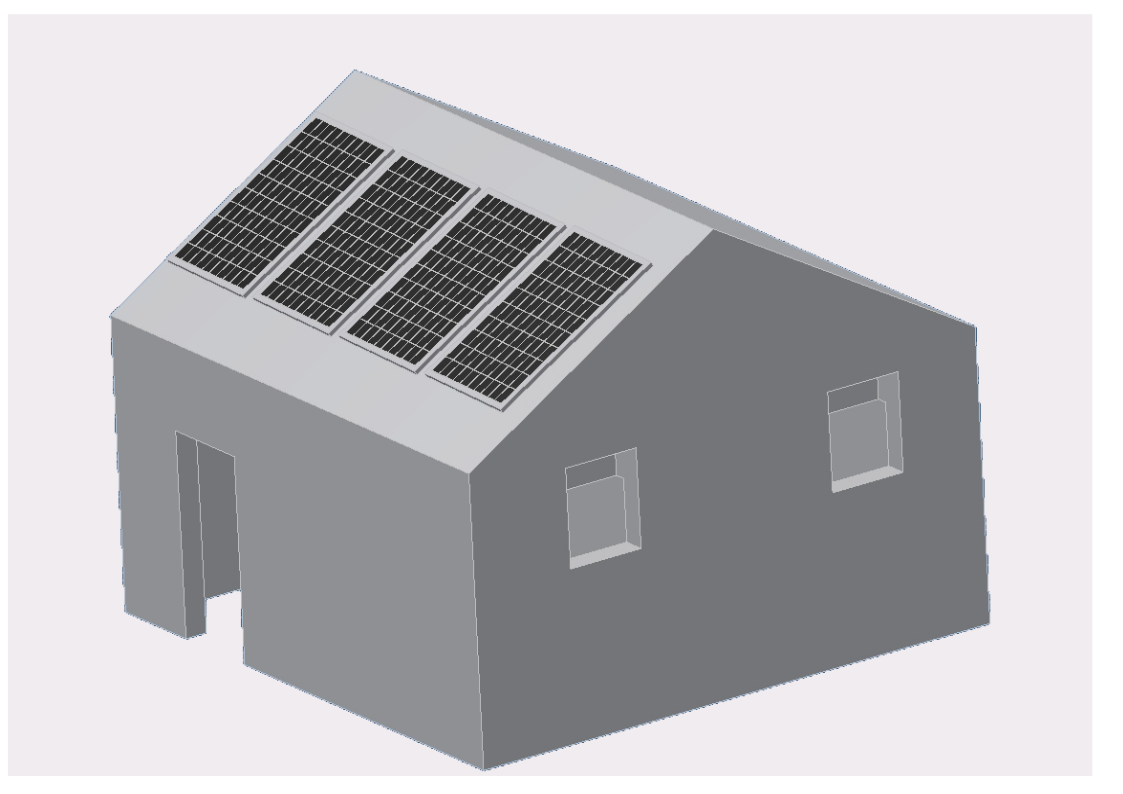
Instructions on how to properly measure your property for installing a solar system.
How to Measure Orientation & Tilt
A quick guide for determining two essential parameters for optimal solar performance.
You only need to measure two parameters:
1. Orientation (Azimuth)
2. Tilt (Slope)
1. Orientation (Facing South)
Solar panels should ideally face South. Slight deviations like South-Southeast or South-Southwest are acceptable.
East/West installations are possible but more expensive and less efficient.
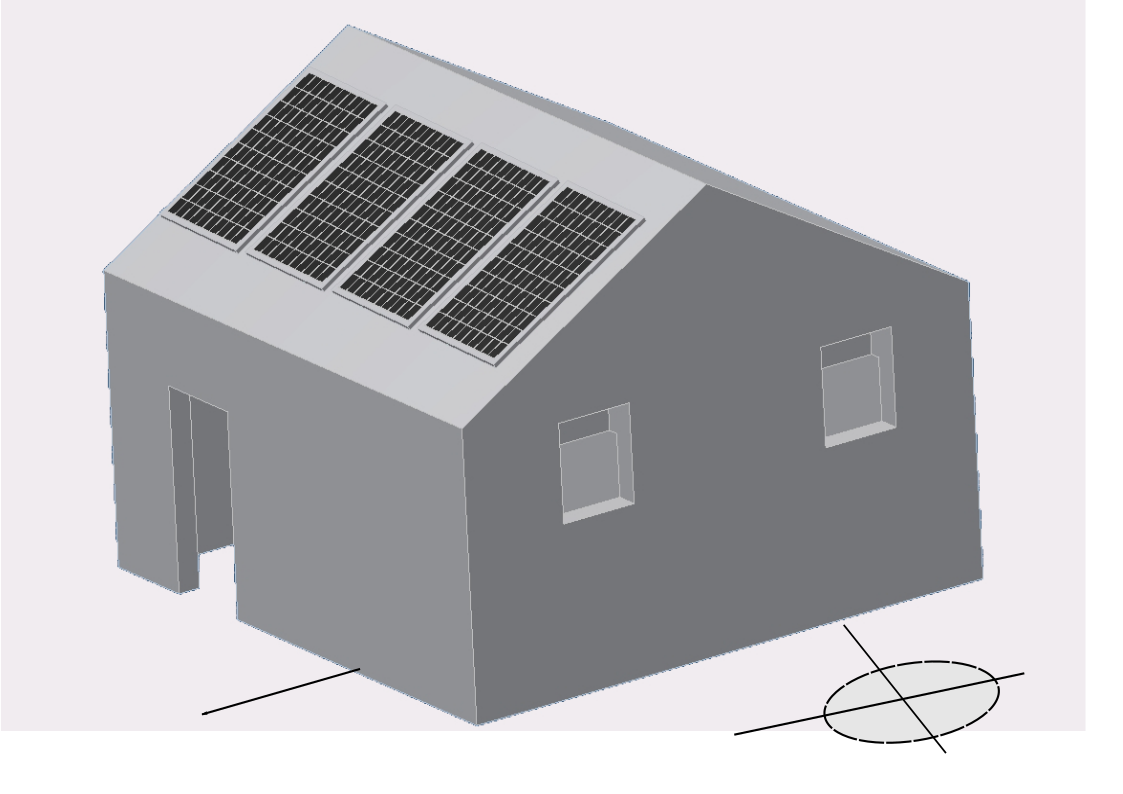
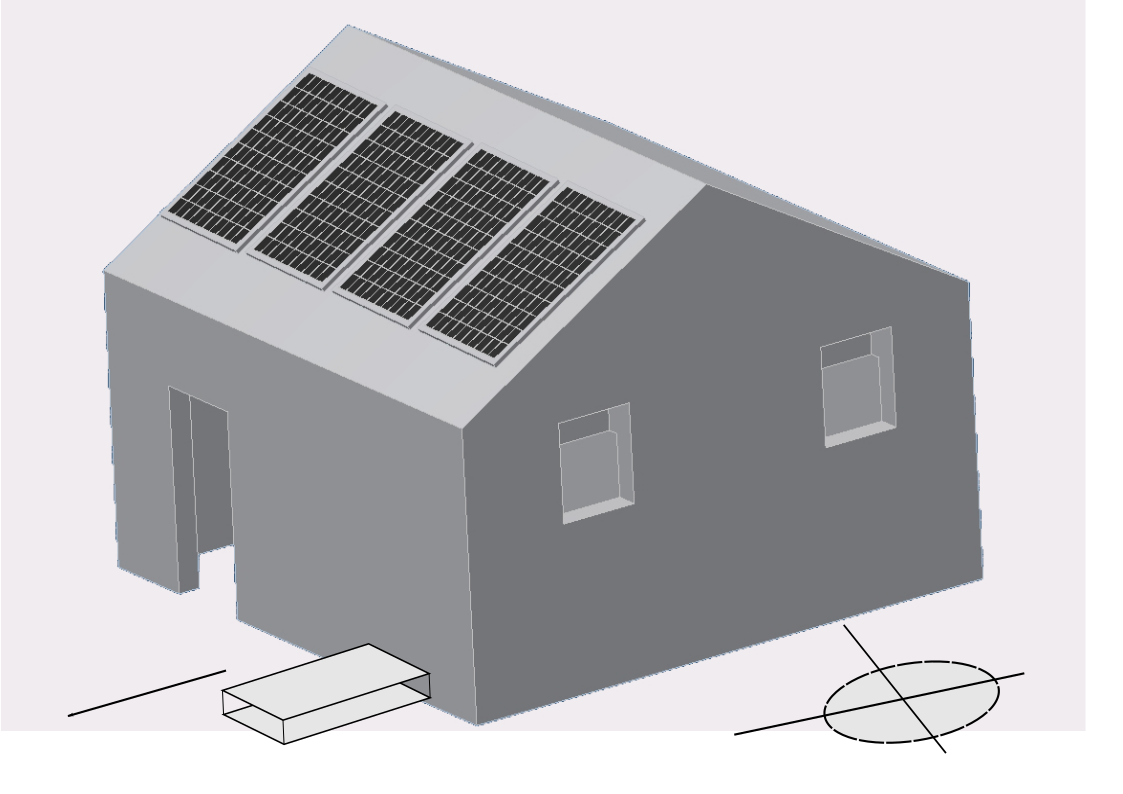
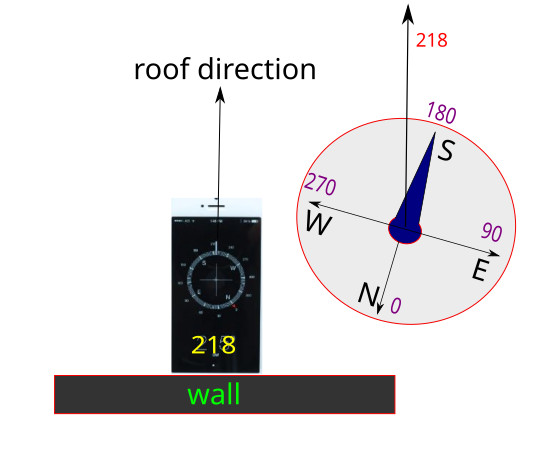
How to Measure Orientation (Easy Method)
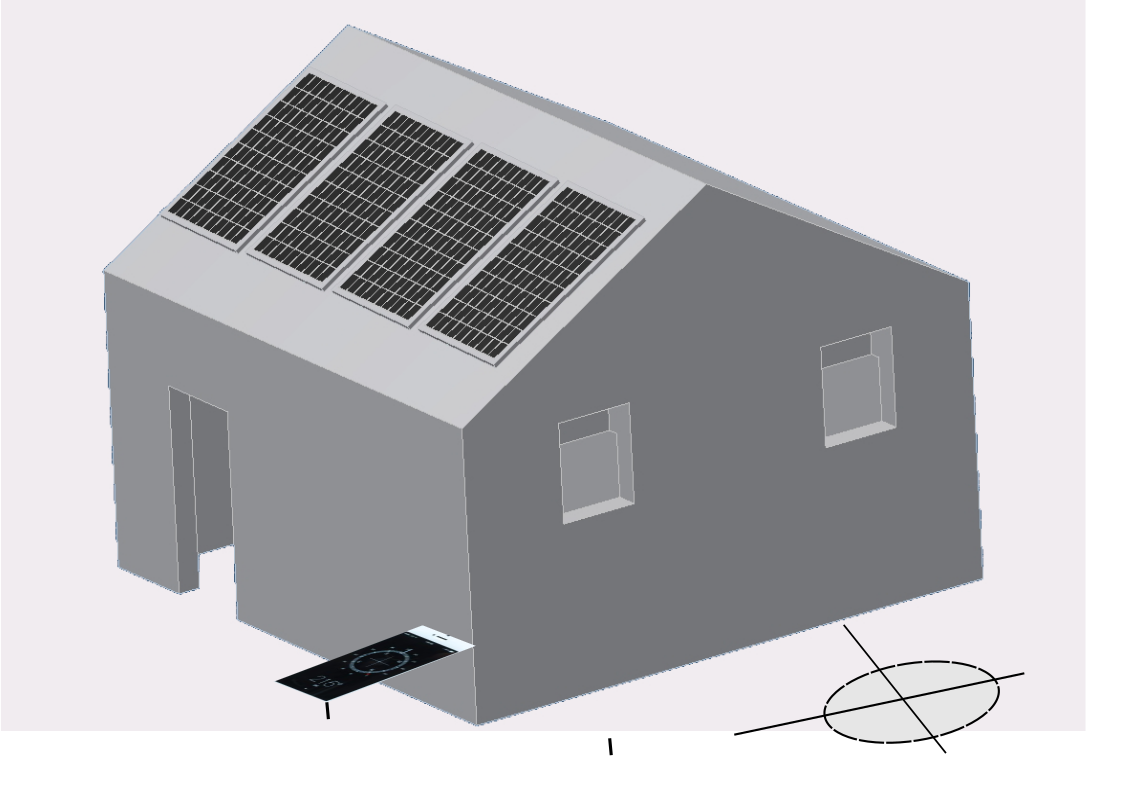
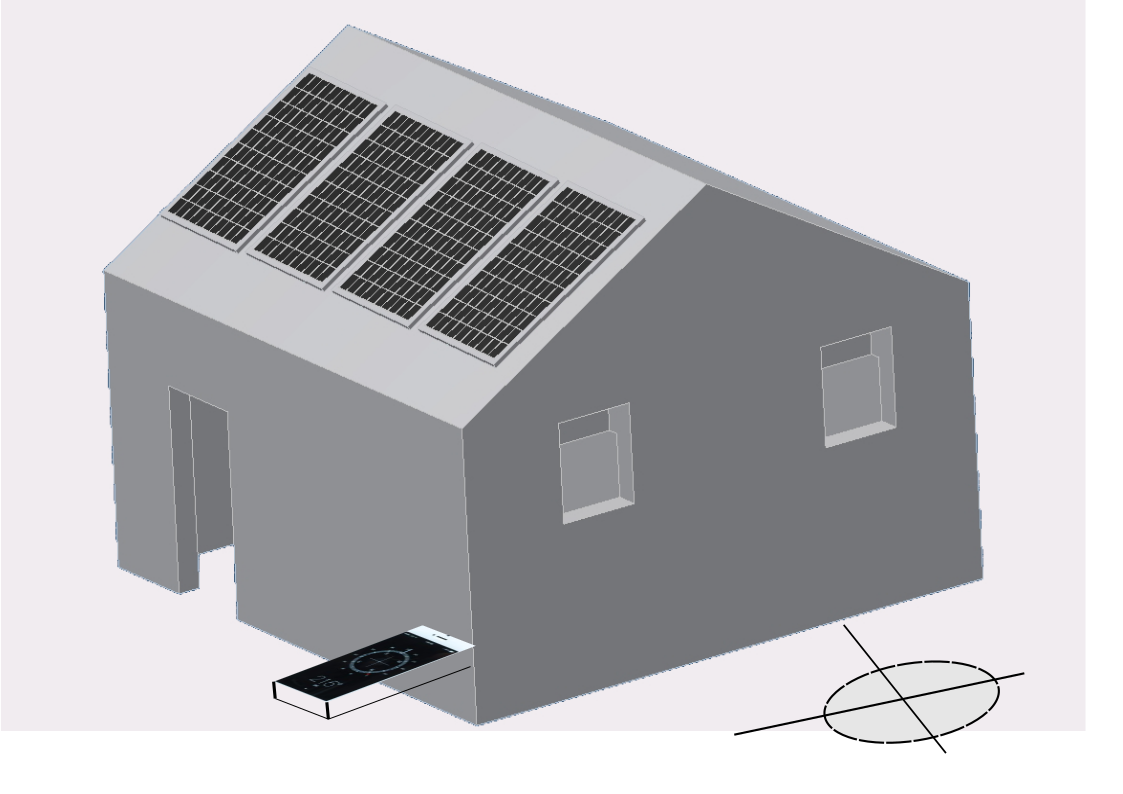
Use a mobile phone with a Compass app installed.
- Turn on the Compass app and calibrate if needed.
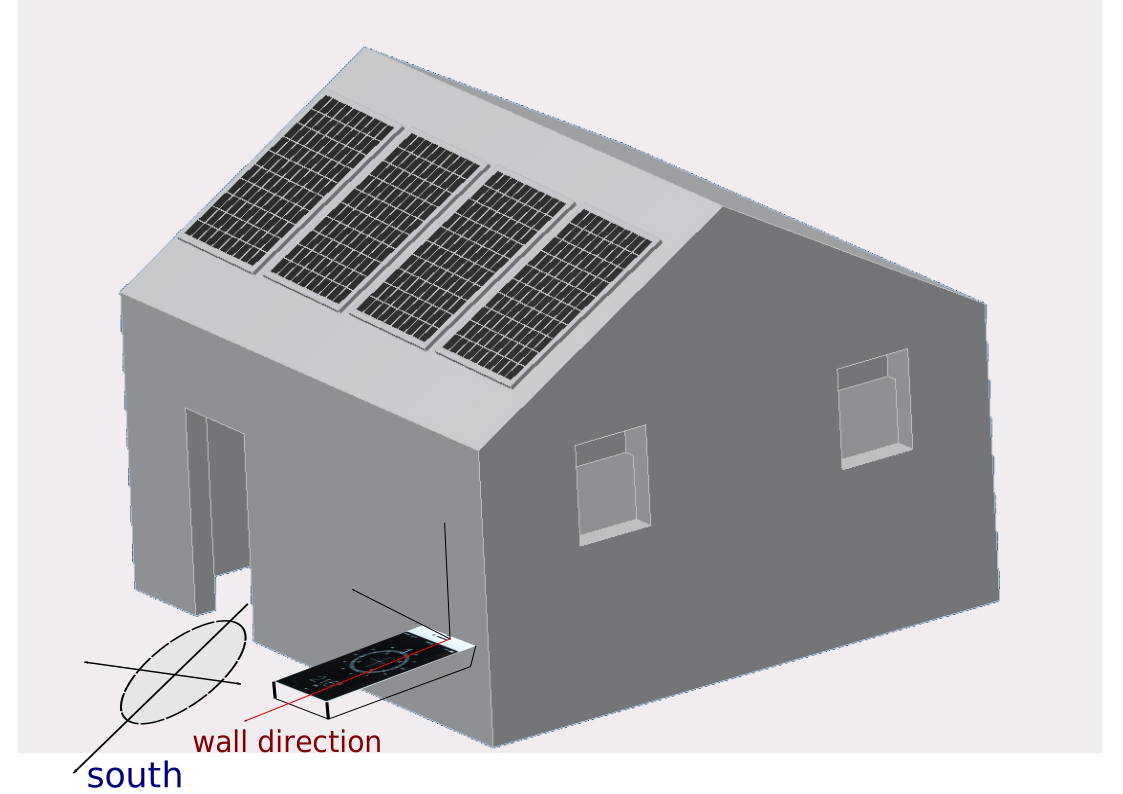
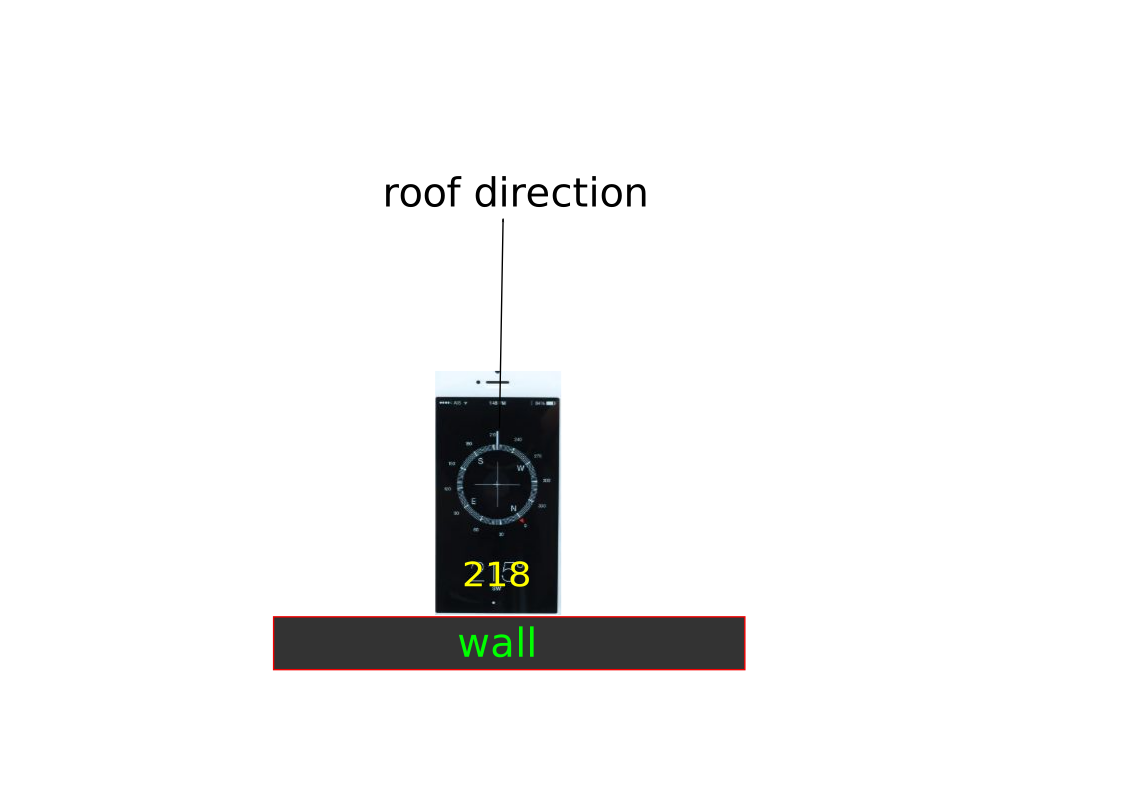
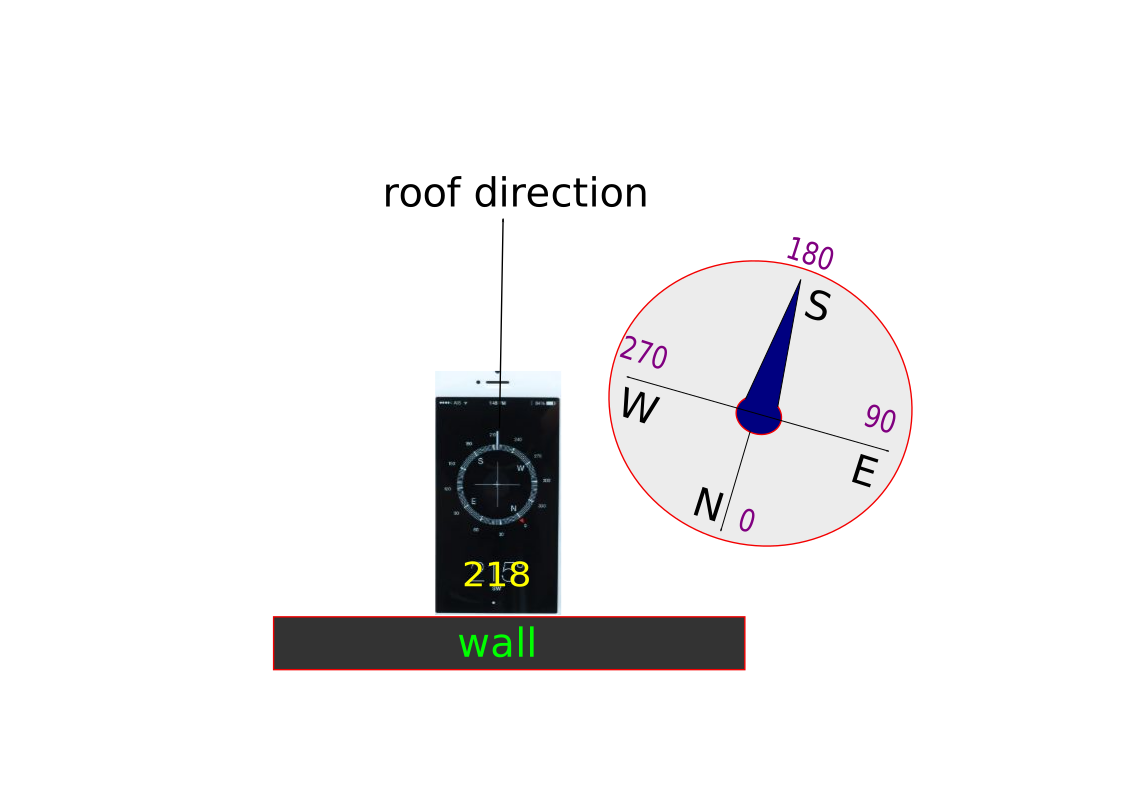
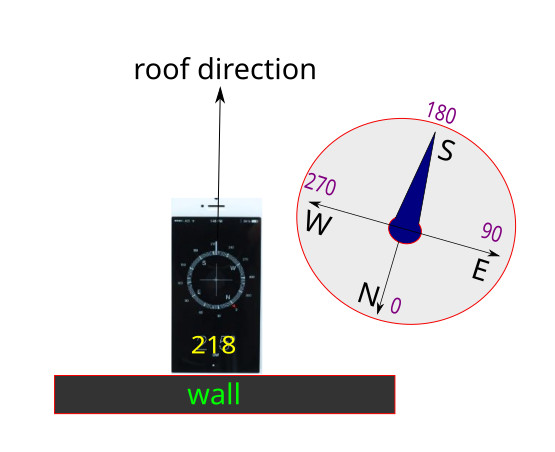
- Align one side of the phone with the wall supporting the roof.
- Read the displayed azimuth value.
Typical readings:
- 90° — East
- 90°–180° — Southeast
- 180° — South (Ideal)
- 180°–270° — Southwest
- 270° — West
IMPORTANT: Values between 270°–360° (Northwest) and 0°–90° (Northeast) are not favorable for solar installation.
Record the measured value; it is crucial for calculations.
2. Tilt (Roof Slope)
The roof tilt (angle relative to the horizontal plane) is the second essential parameter.
How to Measure Tilt
You may use the following tools:
- Digital level (inclinometer)
- Laser rangefinder with level function
- A simple homemade tilt-measuring tool
If you are constructing your own structure (garage, shed, etc.), you can predefine the slope.
Digital level (inclinometer)

The simplest and most accurate way is to measure with digital level. This one can be bought on various places form workshop store to amazon
Laser range finder
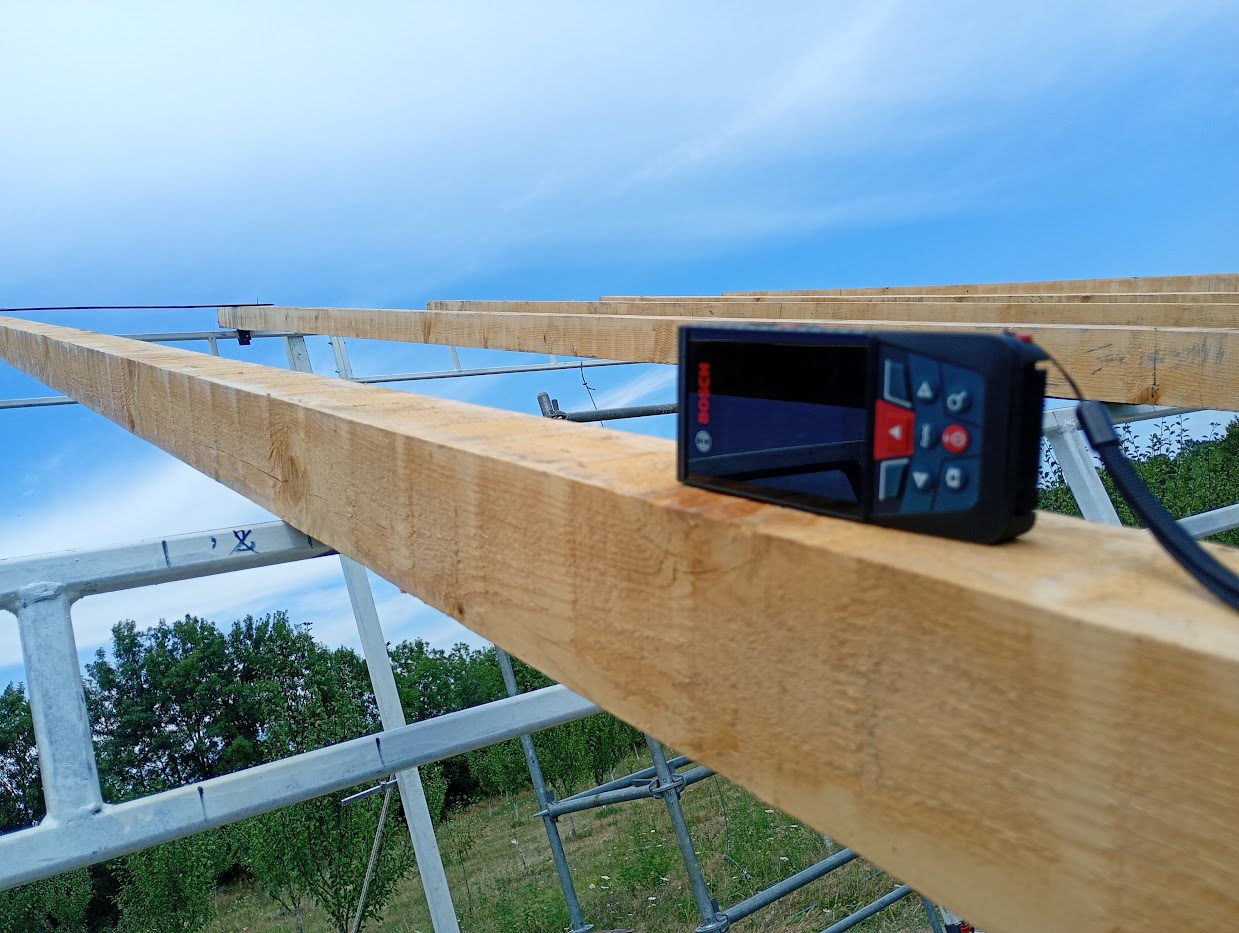
Some laser range finder can has a option for level measurement. This one is used in my own project on my site
Using math
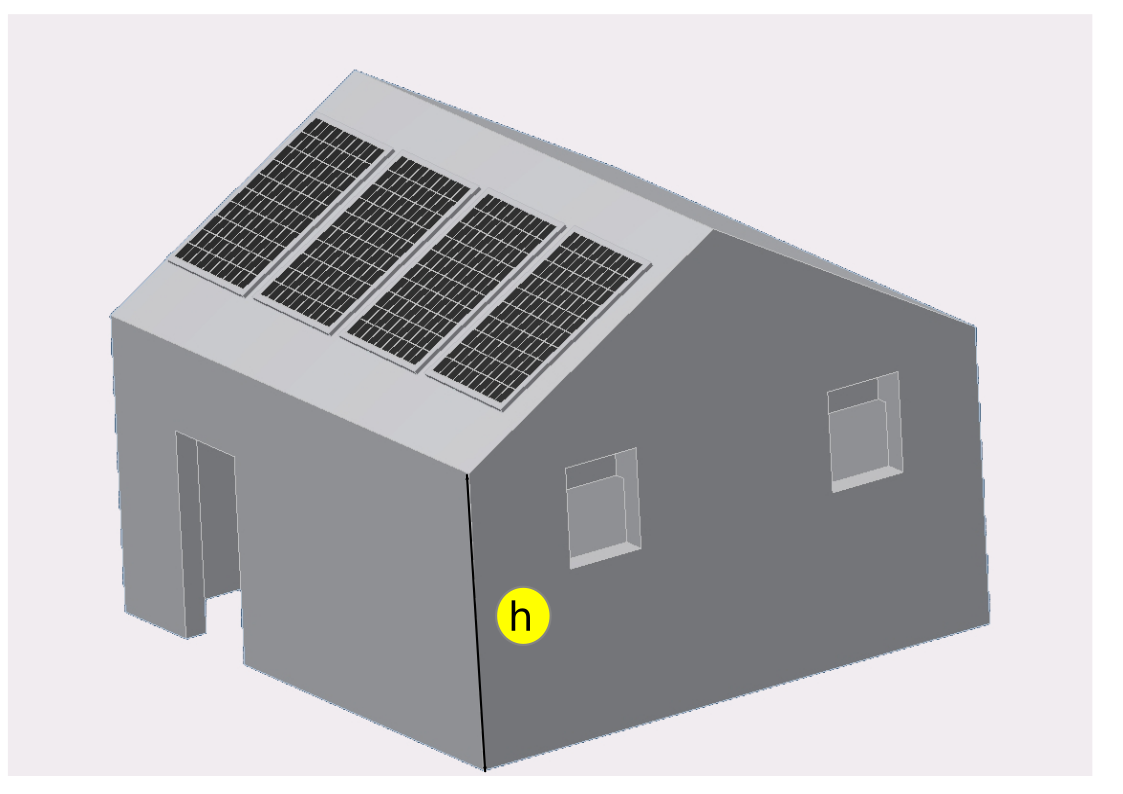
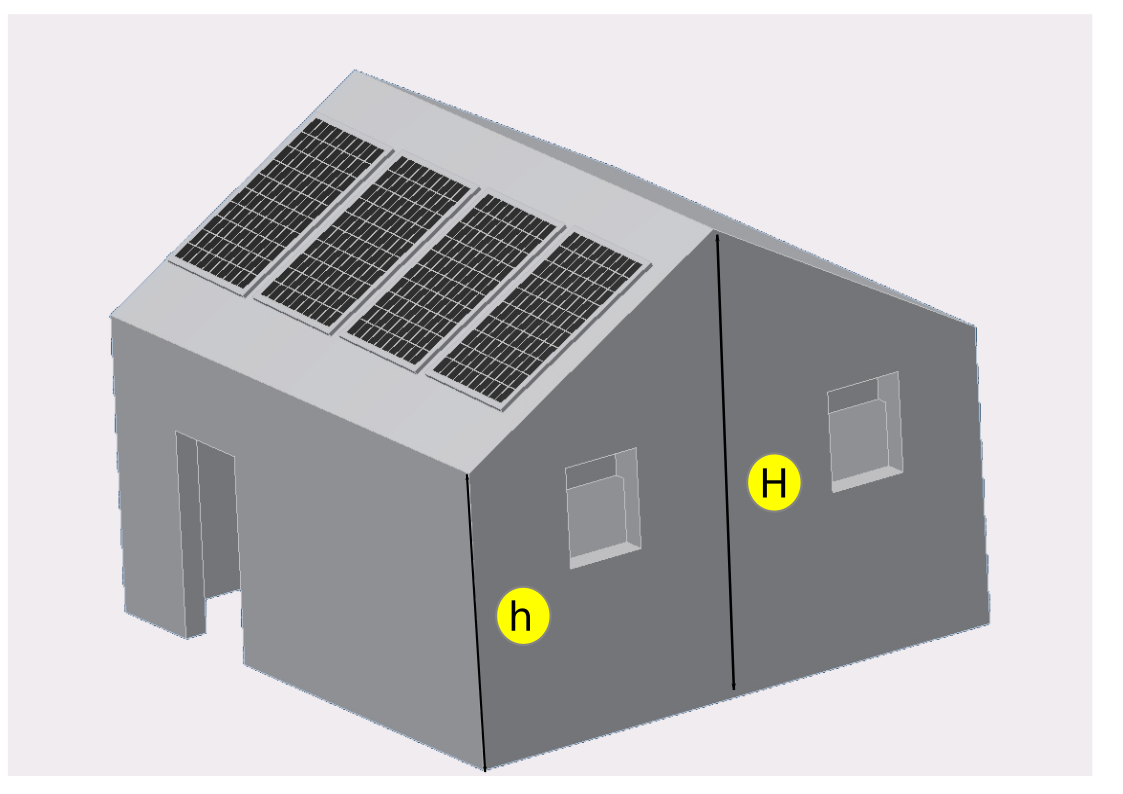
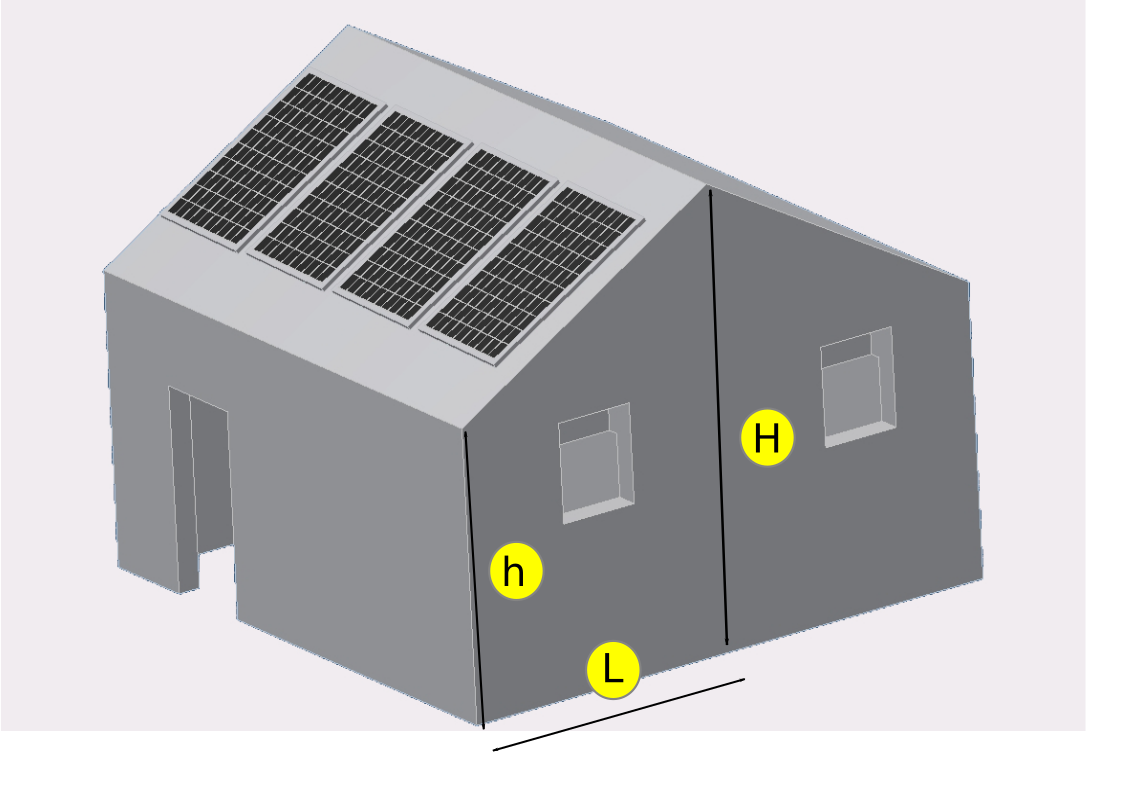
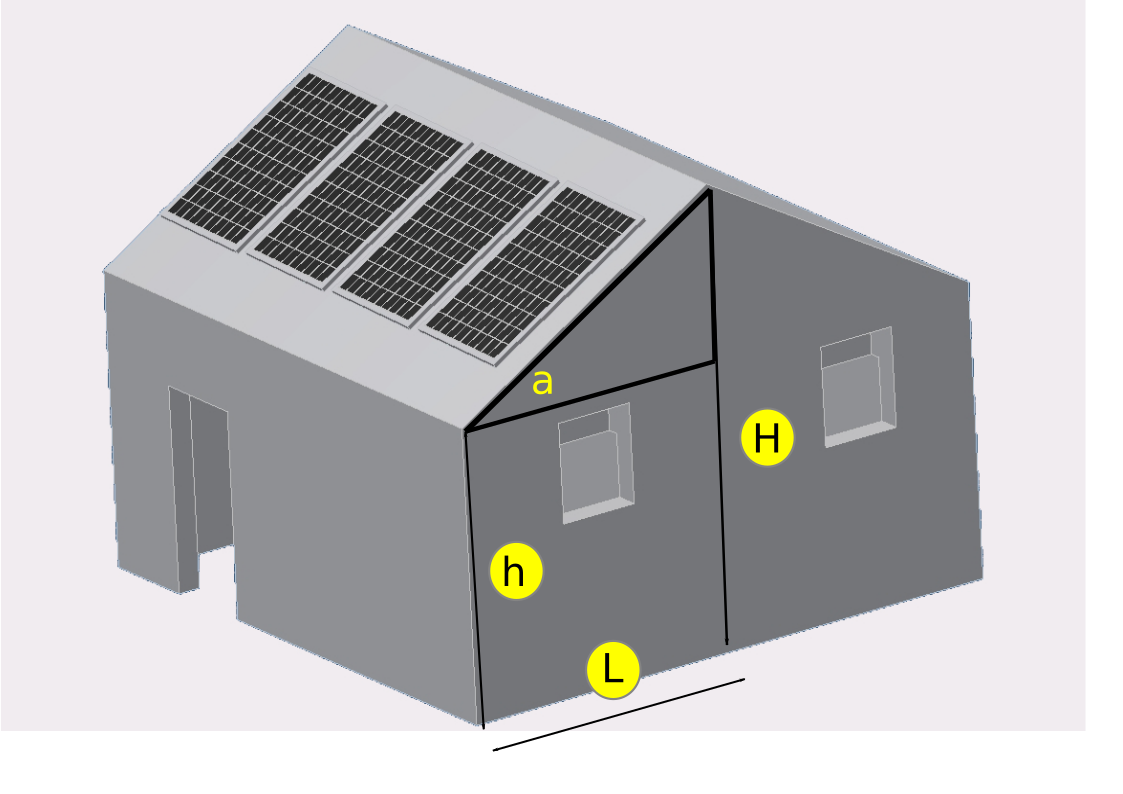
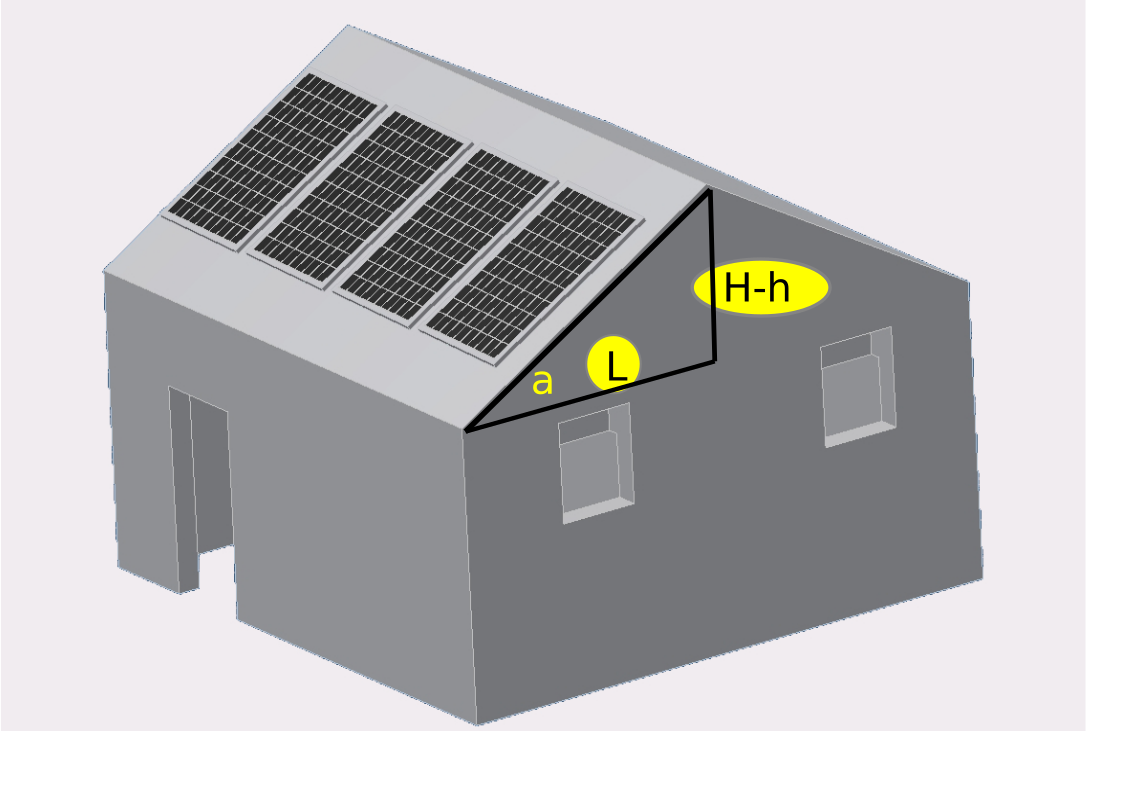
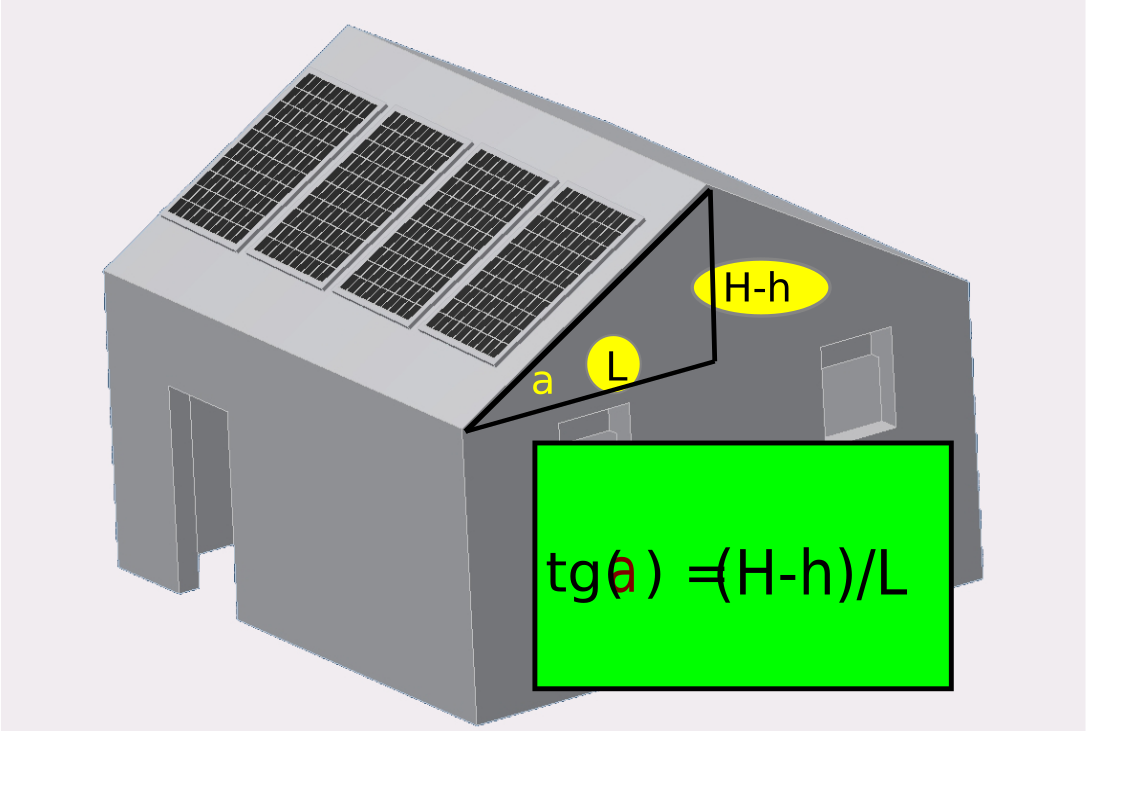
You can also measure the tilt by measuring the height difference between two roof points and the horizontal distance between them — but this requires basic trigonometry.